Smartphone Display Technology Explained: OLED vs AMOLED vs LTPO
How self-emissive subpixels, active-matrix TFT backplanes, and low-temperature polycrystalline oxide enable 1Hz–120Hz dynamic refresh rates.
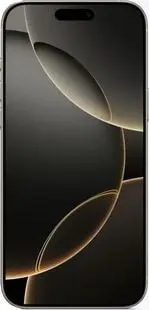
The display is your primary interface with any modern digital device. Understanding the differences between passive OLED, active-matrix AMOLED, and adaptive LTPO backplanes is critical to evaluating brightness, touch responsiveness, and battery drain.
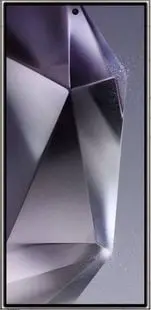
Featured Hardware Evaluated in This Guide

1. OLED vs LCD: The Self-Emissive Advantage
Unlike liquid crystal displays (LCD) which rely on a continuous LED backlight passing through color filters and liquid crystal shutters, Organic Light-Emitting Diode (OLED) panels feature self-emissive organic compounds at every subpixel. When displaying pure black (#000000), individual subpixels turn off completely, yielding infinite native contrast ratio and zero backlight bleed.
2. What Makes AMOLED 'Active Matrix'?
AMOLED (Active-Matrix OLED) incorporates a thin-film transistor (TFT) backplane where each pixel has a dedicated storage capacitor and driving transistor. This active array allows instant pixel state switching, supporting high refresh rates (90Hz, 120Hz, 144Hz) with virtually instantaneous response times compared to passive matrix displays.
3. The Power Revolution of LTPO (Low-Temperature Polycrystalline Oxide)
Traditional AMOLED panels use Low-Temperature Polycrystalline Silicon (LTPS) backplanes, which suffer from electrical leakage when operating at low refresh rates. LTPO backplanes combine LTPS for fast switching with Indium Gallium Zinc Oxide (IGZO) for ultra-low leakage, enabling the display controller to dynamically scale refresh rates from 1 Hz (for static reading and Always-On Displays) up to 120 Hz (during scrolling and gaming), reducing overall display power consumption by up to 30%.